
Diving in Cuba: Best Dive Sites, Marine Life and Travel Tips
Cuba is one of the Caribbean’s most rewarding places to dive, and one of its least crowded. Decades of limited coastal development and a network of protected marine parks have left much of its reef in unusually good condition — healthy coral, large fish, and dive sites that aren’t worn down by mass tourism. For divers used to busier destinations, the difference is immediate.
This guide covers where to dive in Cuba, what you can realistically expect to see, and when to go. It’s written for travelers planning a real trip, not browsing a brochure — so the practical details matter as much as the marine life. Diving in Cuba almost always means some travel between sites and your base, which is worth planning around from the start.
Why Cuba Is an Underrated Diving Destination
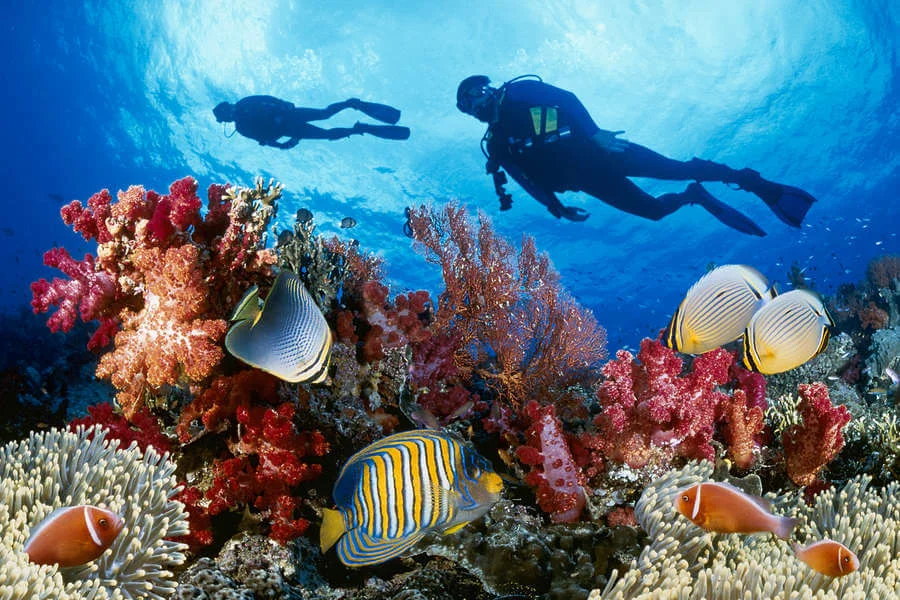
Cuba’s appeal underwater comes down to protection and access. The country has invested in marine reserves, and several of its best dive areas sit inside parks with restricted entry. That keeps fish populations high and reef damage low — you’ll regularly see large groupers, sharks, and intact coral structures that have thinned out elsewhere in the Caribbean.
Visibility is generally excellent, often 20 to 30 meters, and the water stays warm year-round. Many of the best sites are reachable from shore or by short boat trips, which keeps diving straightforward once you’re in the right area.
The trade-off is logistics. The strongest dive regions are spread around the coast and some sit far from Havana, so a Cuba diving trip rewards a bit of planning. The payoff is reef that feels genuinely uncrowded.
Best Places for Diving in Cuba
María la Gorda
On the remote western tip of the island, María la Gorda is one of Cuba’s classic dive destinations. It sits in a calm, sheltered bay with dozens of sites close together, known for black coral, dramatic walls, and large sponges. The protected geography means easy entries and consistently good conditions.
It’s also remote — roughly a four-to-five-hour drive from Havana, past Pinar del Río. That distance is exactly why it stays quiet. Larger pelagic species may be seen seasonally in the region, though sightings are never guaranteed.
Playa Girón / Bay of Pigs
The Bay of Pigs (Bahía de Cochinos) is Cuba’s most accessible serious diving, and the best choice for less experienced divers. A wall drops off close to shore, so you can reach deep reef without a long boat ride — much of the diving here is done straight from the beach.
The area also has flooded cenotes and caverns for those with the right training, plus easy shallow sites for beginners. It’s roughly three to three-and-a-half hours by road from Havana, which makes it the most practical dive base to combine with a wider trip.
Jardines de la Reina
The “Gardens of the Queen” is Cuba’s standout destination and one of the best-preserved reef systems in the Caribbean. This is a strictly protected marine park well offshore, reached only by liveaboard, with a limited number of permits issued. That exclusivity is the point: the reef is exceptional.
It’s best known for healthy shark populations — Caribbean reef and silky sharks are common — along with goliath groupers and crocodiles in the mangrove channels. This is advanced, trip-defining diving that needs to be arranged well in advance, not something you add on a whim.
Cayo Largo and Other Coastal Options
Cayo Largo is one of the better options for travelers who want reef diving paired with a relaxed beach stay rather than a fully dive-led itinerary. Its clear water, coral areas and quieter coastal setting make it a good fit for combining time underwater with a slower island rhythm.
Cayo Coco and Cayo Guillermo also offer accessible diving along Cuba’s northern reef, often as part of a broader beach escape. Santa Lucía, on the northern coast, is known among experienced divers for shark encounters. These destinations work best when diving is part of the trip rather than the entire purpose of it.
What Marine Life Can You See While Diving in Cuba?
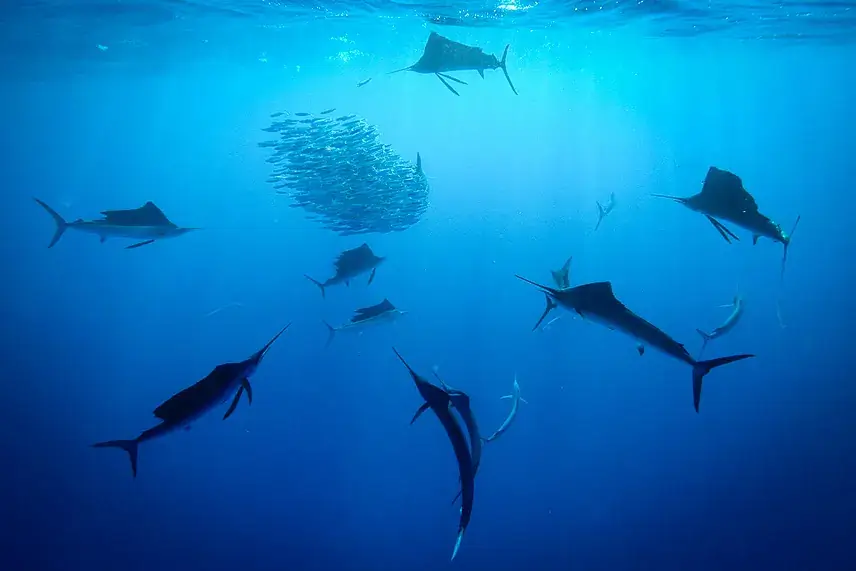
Cuba’s reefs support the full range of Caribbean species, often in healthier numbers than neighboring destinations. On a typical dive you can expect reef and nurse sharks, large groupers, snapper, barracuda, eagle rays, sea turtles, and dense schools of tropical fish moving across the coral.
The standouts depend on where you dive. Jardines de la Reina is the place for sharks and very large fish, along with crocodiles in its mangroves. María la Gorda has its seasonal whale sharks and striking black coral. Across most sites you’ll also find sponges, gorgonians, and the occasional shipwreck adding structure to the reef.
It’s worth saying plainly: encounters with wildlife are never guaranteed, and the best operators dive responsibly, keeping a respectful distance from larger animals.
When Is the Best Time to Go Diving in Cuba?
The most reliable window is the dry season, roughly November to May, when visibility is at its best and the sea is calmest. Water temperatures stay comfortable year-round, generally in the high 20s Celsius, so a thin wetsuit is usually enough.
If whale sharks are a priority at María la Gorda, the cooler months around November to February tend to offer the best chances, though nothing is certain. Summer and early autumn fall within the Caribbean hurricane season, with the highest risk around August to October — divable on calm days, but less predictable.
Planning a Diving Trip in Cuba with DiamondCuba
Most of Cuba’s best diving sits hours from Havana, so the trip planning matters as much as the diving itself. DiamondCuba helps with the parts that are hardest to arrange from abroad — where you stay, how you move, and how the pieces fit together.
A comfortable base makes long dive days easier; our luxury villa catalogue covers properties you can use as a hub between sites or as a place to unwind after a liveaboard. For the long drives to María la Gorda or the Bay of Pigs, a private driver or car rental is far simpler than navigating the routes yourself. And if you’d rather not coordinate the logistics at all, our concierge services can help structure the itinerary, time it around the diving, and combine it with a Havana stay.
DiamondCuba doesn’t run its own dive operation — your dives are best booked with established local operators and marine parks — but we handle everything around them so the trip works end to end.
FAQ
Is Cuba good for scuba diving?
Yes. Cuba has some of the best-preserved reefs in the Caribbean, thanks to protected marine parks and limited coastal development. Expect healthy coral, large fish, and uncrowded sites with strong visibility.
Where is the best diving in Cuba?
Jardines de la Reina is the top destination — a strictly protected, liveaboard-only marine park famous for sharks and large fish. María la Gorda and the Bay of Pigs are the best mainland options.
Can beginners go diving in Cuba?
Yes. The Bay of Pigs (Playa Girón) is ideal for beginners, with easy shore entries and shallow sites, and local centers offer introductory dives and certification courses. Jardines de la Reina is better suited to experienced divers.
What marine life can you see while diving in Cuba?
Common sightings include reef and nurse sharks, groupers, eagle rays, sea turtles, barracuda, and tropical reef fish. María la Gorda has seasonal whale sharks, and Jardines de la Reina is known for sharks and crocodiles. Sightings are never guaranteed.
When is the best time to dive in Cuba?
The dry season from roughly November to May offers the calmest water and best visibility. Whale shark chances at María la Gorda are highest in the cooler months, while hurricane season runs through summer and early autumn.
Can you combine diving in Cuba with a Havana stay?
Yes, and it’s a popular approach. The Bay of Pigs is around three hours from Havana, making it easy to base in the city and dive on day or overnight trips. A private driver or villa near the coast makes the combination far smoother.