




Best Cuban Rums
Rum is woven into Cuban life in a way few other spirits are anywhere. It’s behind the country’s most famous cocktails, it’s poured at the end of a long dinner, and it’s never far from the music and late evenings that give Havana its rhythm. Understanding Cuban rum is, in a small way, understanding Cuba.
For a traveler, that makes rum more than a souvenir. Knowing a few of the country’s defining brands — what they’re like, and when each one makes sense — turns an ordinary drink into part of the trip. This is a short guide to the best Cuban rums worth knowing before you arrive, and how to enjoy them once you’re there.
What Makes Cuban Rum Different?
Cuban rum is built around aged, smooth styles rather than the heavier, sweeter rums found in some other parts of the Caribbean. It’s traditionally made from molasses, distilled, and then aged in oak, with a long-standing emphasis on the role of the maestro ronero — the master blender who shapes each rum’s character.
The result is a spirit that tends to be light and clean when young, and increasingly complex as it ages. Younger rums are made for mixing; older ones reward slow sipping. That range is part of why Cuban rum sits so naturally at the center of both a beachside cocktail and a quiet after-dinner pour.
Best Cuban Rums to Know Before Your Trip
A note before the list: “best” depends entirely on the moment. The right rum for a mojito on a hot afternoon isn’t the one you’d nurse neat after dinner. These are the names worth recognizing, with a sense of where each one tends to fit.
Havana Club
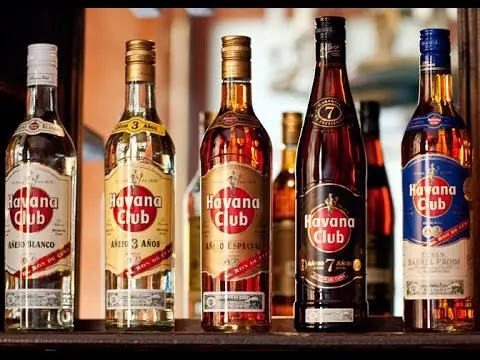
Havana Club is the most internationally recognized Cuban rum, and the one you’ll see most often behind the bar. Its strength is range: the younger expressions, like the 3 Años and Añejo Especial, are the classic base for mojitos and daiquiris, while the older 7 Años and premium bottlings are built for sipping.
If you only get to know one Cuban rum brand on your trip, this is the most natural starting point — widely available, consistent, and a fair benchmark for the style.
Santiago de Cuba
Produced in the east of the island, Santiago de Cuba is widely regarded among Cubans as one of the country’s finest sipping rums. The aged expressions — the 11 and 12 year, and older — lean rich and smooth, the kind of rum you drink slowly and neat.
It’s a good choice when you want to taste what Cuban rum can become with age, rather than mix it into a cocktail.
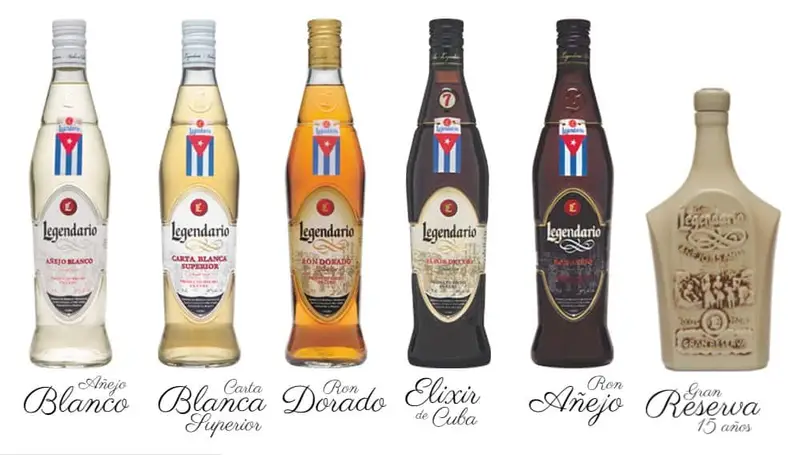
Legendario
Legendario is best known for its Elixir de Cuba, a softer, sweeter, lower-proof rum that drinks almost like a dessert. It’s a favorite among visitors precisely because it’s approachable and easy to enjoy on its own.
Treat it as a gentle introduction or an after-dinner pour rather than a cocktail base — it’s a different experience from the drier, more traditional rums.
Arecha
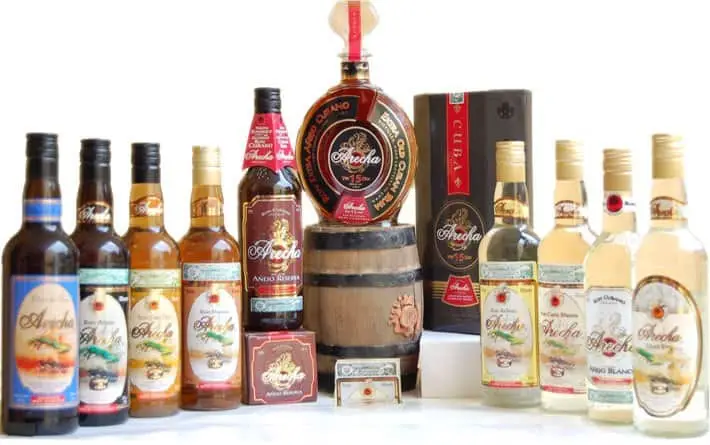
Arecha is one of the more locally familiar Cuban brands, less exported and less talked about abroad. That’s part of its appeal: it’s the kind of rum you’re more likely to discover in Cuba than to find back home.
It tends to suit everyday mixing and casual drinking, and makes for an easy, unpretentious bottle to try while you’re in the country.
Caney
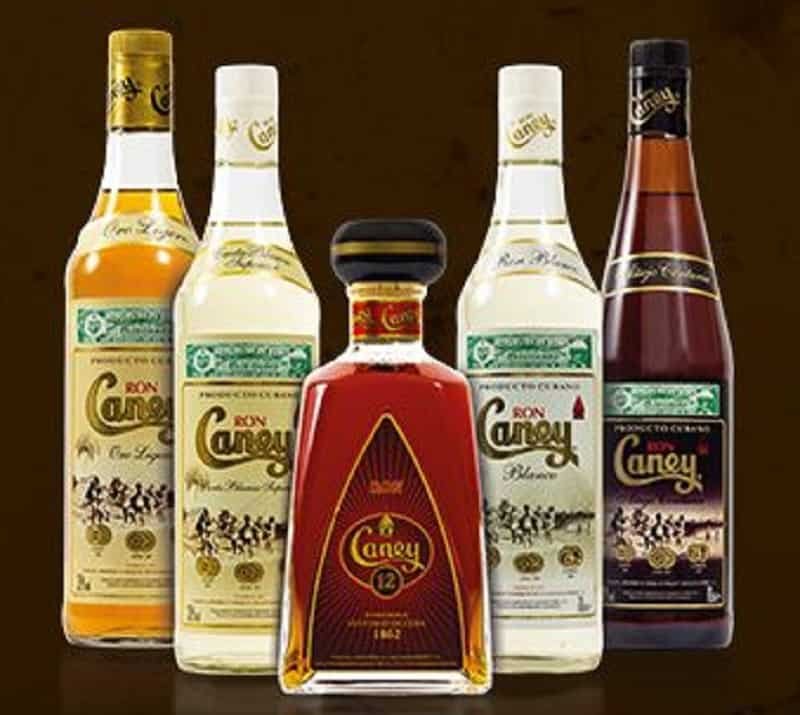
Ron Caney, made in Santiago de Cuba, carries a long distilling heritage from the city. Its lineup spans light and aged styles, making it versatile — comfortable in a cocktail and pleasant enough on its own at the higher end.
It’s a solid, characterful option when you want something with local roots that isn’t the obvious tourist choice.
Edmundo Dantés
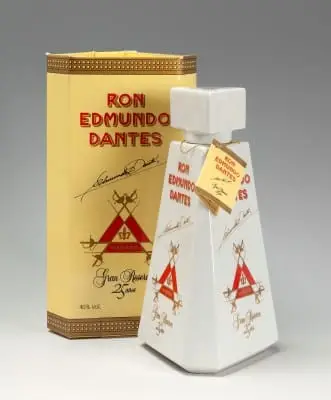
Named after the hero of The Count of Monte Cristo, Edmundo Dantés is positioned as a premium aged Cuban rum aimed at the sipping end of the spectrum. The older expressions are intended to be enjoyed slowly and savored.
If you’re looking for a more exclusive bottle for a tasting or a special evening, this is one to seek out — though it’s less widely available than the larger brands.
How to Enjoy Cuban Rum in Havana
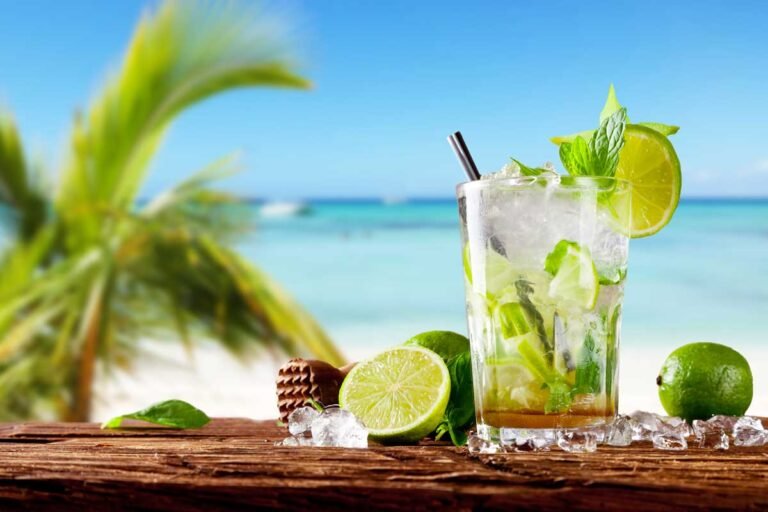
The most enjoyable way to get to know Cuban rum is in its natural setting. Start with the classics: a mojito, a daiquiri, or a Cuba Libre, all of which were shaped by Cuban bartenders and built around local rum. They’re worth ordering even if you think you know them — they taste different at the source.
From there, the experience matters as much as the pour. Havana rewards a slow evening: live music in a small bar, a rooftop with a view over the city, or a private dinner where an aged rum closes the night. Rum here isn’t really a product to tick off — it’s the thread that ties an evening together.
If you want to go deeper, pair your rum with the rest of Cuba’s drinking culture and nightlife. Our guides to classic Cuban cocktails and Havana nightclubs can help you turn a tasting into a full evening.
Planning a Private Cuba Stay with DiamondCuba
A good rum evening is easier when the logistics are handled. DiamondCuba focuses on the parts of a Cuba trip that are hardest to arrange from abroad — where you stay, how you get around, and how the evenings come together.
A private villa in Havana gives you a relaxed base for a long dinner and a nightcap without watching the clock. A private driver or car rental — a classic car among them — makes moving between bars and rooftops effortless and turns the transport itself into part of the night. And our concierge services can curate an evening around what you actually enjoy, from a quiet tasting to live music and dinner.
It’s a way to experience Cuban rum as locals do — built into the place, the people, and the night — rather than from a bottle alone.
FAQ
What is the best Cuban rum?
There’s no single answer — it depends on how you’re drinking it. For sipping neat, aged rums like Santiago de Cuba and older Havana Club expressions stand out. For cocktails, younger Havana Club is the classic choice.
Is Havana Club Cuban rum?
Yes. The Havana Club sold in Cuba and most of the world is produced in Cuba. Due to a long-running trademark dispute, a separately produced version is sold in the United States, which is why the brand can be confusing for American travelers.
What rum should I try in Cuba?
Start with Havana Club to understand the classic style, then try an aged Santiago de Cuba to taste what Cuban rum becomes with age. Legendario’s Elixir de Cuba is a sweeter, easygoing option if you prefer something softer.
What is the most premium Cuban rum?
The premium end is dominated by older aged expressions, including top Havana Club bottlings, aged Santiago de Cuba, and Edmundo Dantés. These are meant for slow sipping rather than mixing.
Can you visit rum bars in Havana?
Yes. Havana has a strong bar culture, from historic spots tied to classic cocktails to rooftop bars and live-music venues. They’re one of the best ways to taste different rums and experience the city after dark.
What cocktails use Cuban rum?
The most famous are the mojito, daiquiri, and Cuba Libre, all closely tied to Cuban rum and bartending. Younger, lighter rums work best in these drinks, while aged rums are usually enjoyed neat.